
“Capturing the Celestial Drama: Your Guide to the April Solar Eclipse”
Introduction:
As the celestial stage prepares for its grand performance, astronomers and sky enthusiasts eagerly await the upcoming solar eclipse slated for April. This rare cosmic event promises a spectacle of wonder, offering a fleeting glimpse of nature’s awe-inspiring ballet. In this guide, we’ll delve into the intricacies of solar eclipses, exploring safety measures, the science behind the phenomenon, prime viewing locations, essential gear, and tips for capturing this breathtaking spectacle through the lens of your camera.
Understanding Solar Eclipses:
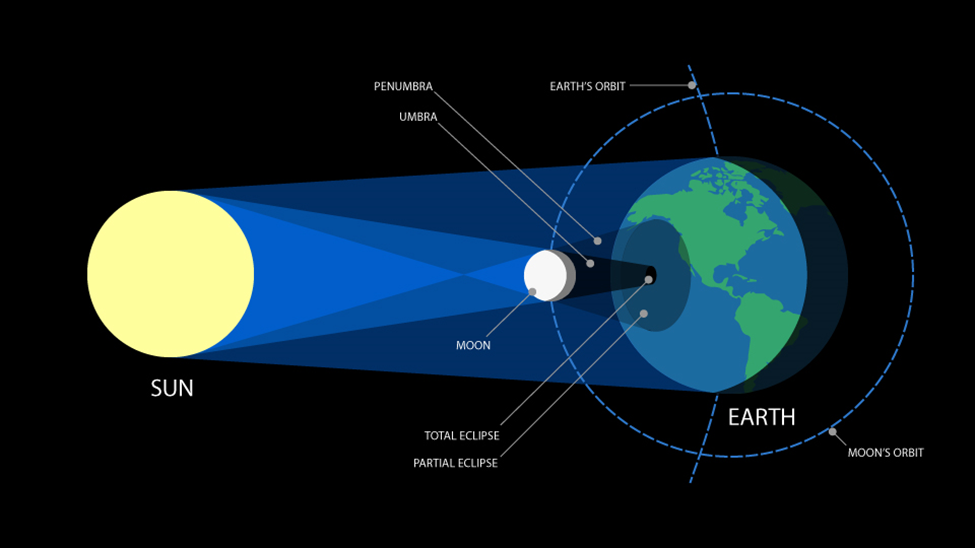
A solar eclipse occurs when the Moon positions itself between the Earth and the Sun, casting its shadow upon our planet. This celestial alignment results in a temporary obscuring of the Sun’s light, transforming daylight into an ethereal twilight. There are different types of solar eclipses, including partial, annular, and the rare total eclipse, each offering varying degrees of spectacle depending on one’s location.
Safety First:
While witnessing a solar eclipse is undeniably mesmerizing, it’s crucial to prioritize safety to safeguard both your eyesight and equipment. Never look directly at the Sun without proper eye protection, as this can cause severe damage to your retinas. Utilize certified solar viewing glasses or solar filters for telescopes and cameras to mitigate the risk of eye injury. Additionally, avoid using makeshift filters or viewing methods, as they may not provide adequate protection.
Where to Witness the Total Eclipse:
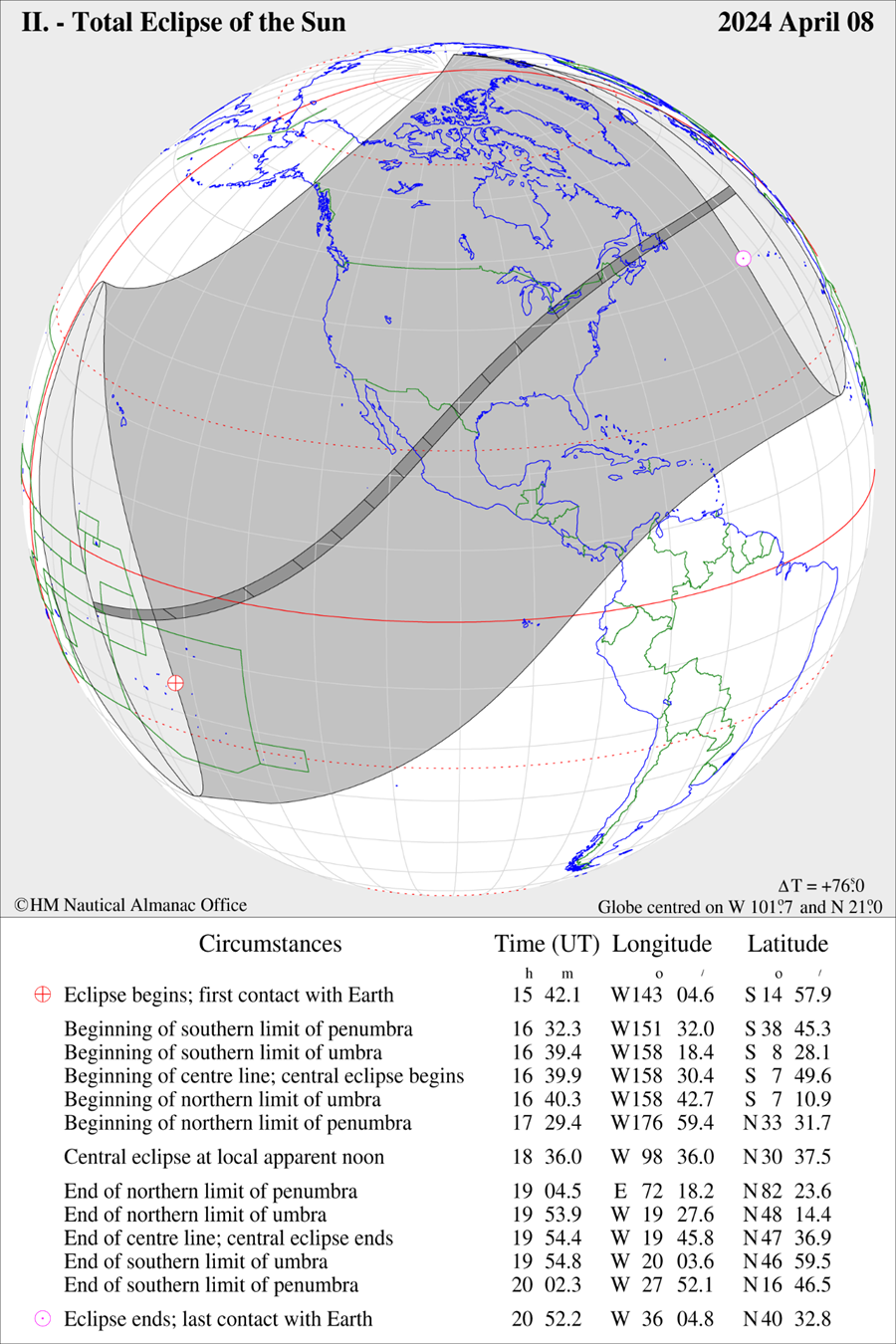
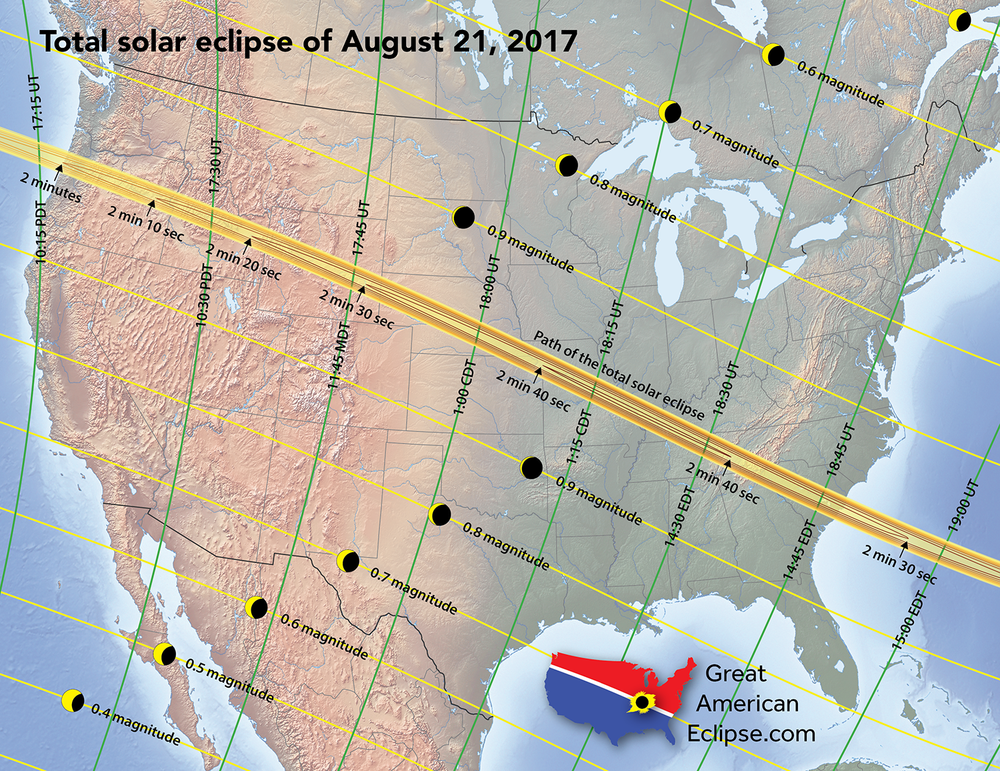
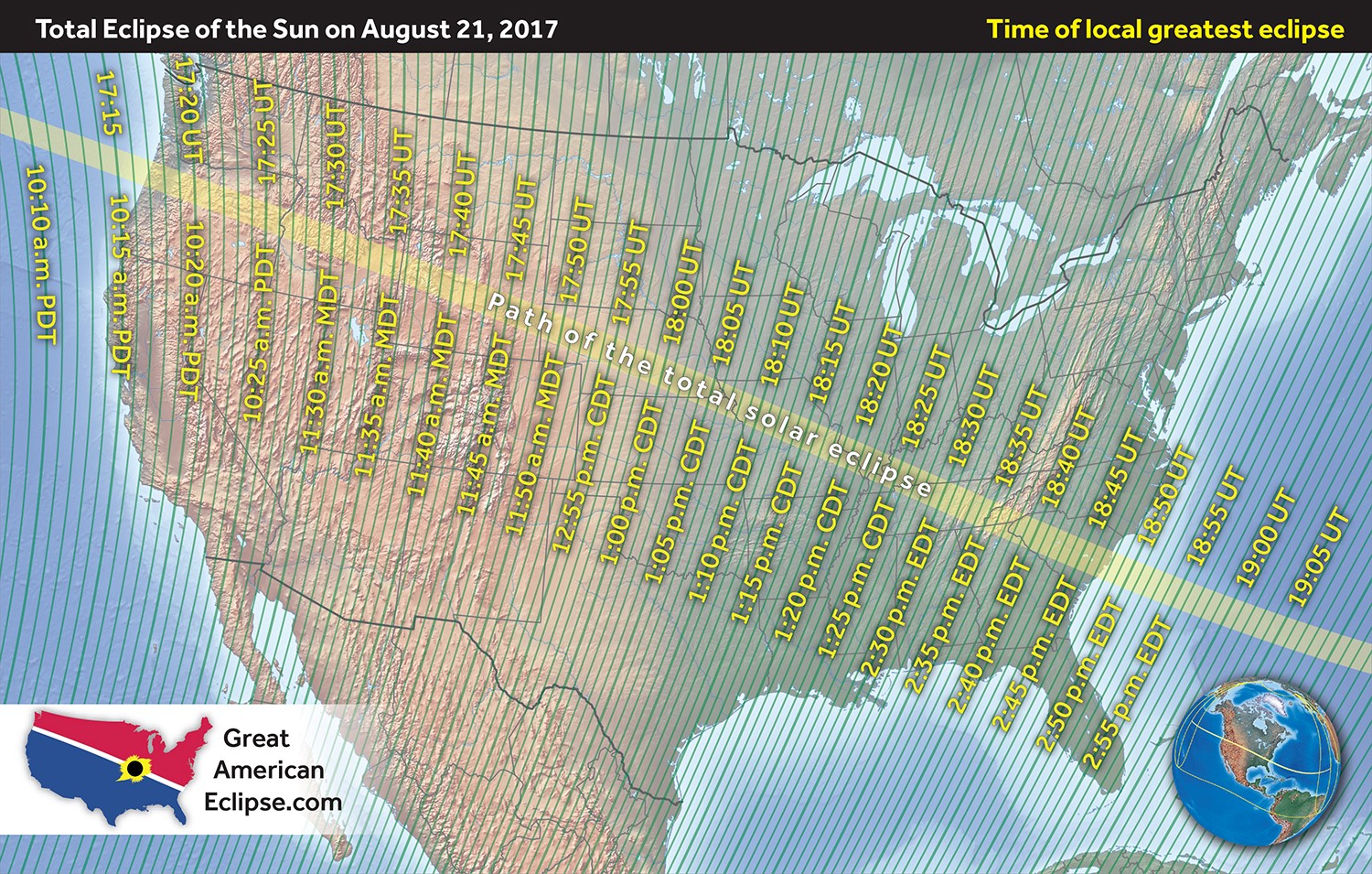
For those seeking the ultimate solar eclipse experience, strategic planning is key. Prime viewing locations for the upcoming April eclipse include regions along the eclipse path, which stretches across select areas of [mention specific regions or countries where the eclipse will be visible]. Consult reputable astronomical resources and maps to pinpoint optimal viewing spots within these regions, taking into account factors such as weather conditions and accessibility.
Essential Viewing Gear:
To fully immerse yourself in the eclipse spectacle, equip yourself with the following essential gear:
1. Solar Viewing Glasses: Certified eclipse glasses featuring specialized solar filters for safe direct viewing of the Sun.
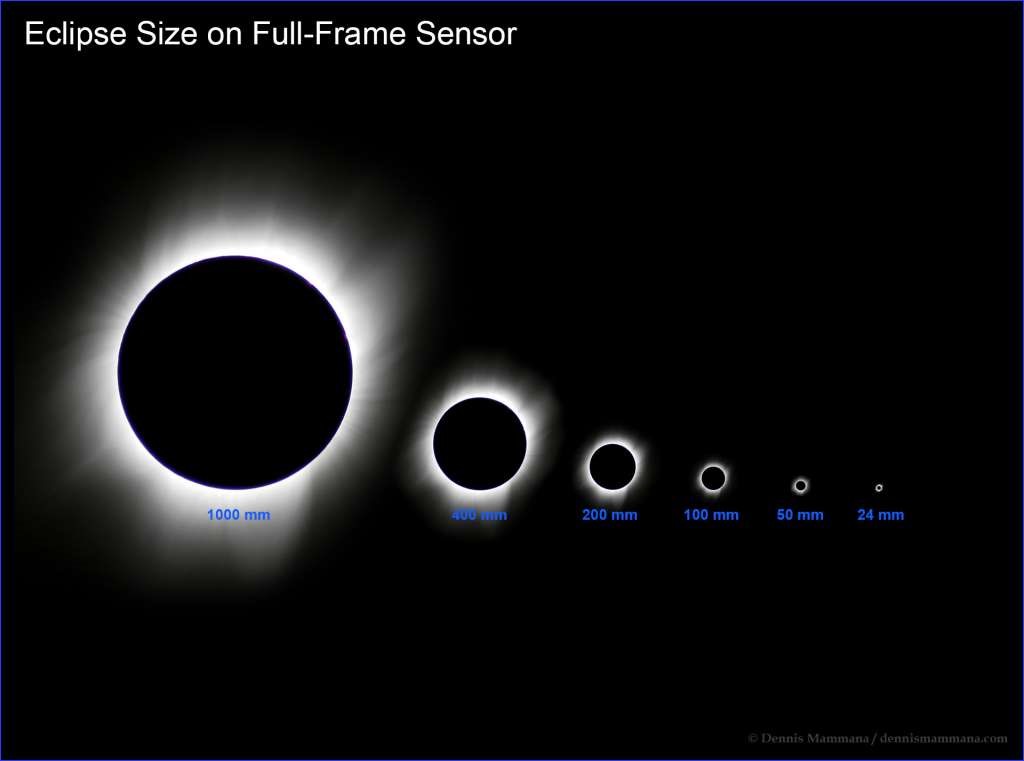
2. Solar Filters for Cameras and Telescopes: High-quality solar filters designed to fit over camera lenses and telescope apertures, enabling safe photography of the eclipse.
3. Tripod: Sturdy tripod to stabilize your camera or telescope for crisp, shake-free images.
4. Remote Shutter Release: Remote shutter release or intervalometer to minimize camera shake during prolonged exposures.
5. Solar Eclipse Photography Guide: Familiarize yourself with techniques for photographing solar eclipses, including exposure settings, composition tips, and recommended camera gear.
Photographing the Eclipse:
Capturing the essence of a solar eclipse through photography requires careful planning and technique. Here are some tips to elevate your eclipse photography game:
– Arrive early at your chosen viewing location to set up your gear and scout for optimal vantage points.
– Experiment with exposure settings to achieve the perfect balance between capturing the Sun’s corona and retaining details in the surrounding landscape.
– Consider incorporating foreground elements such as silhouetted trees or landmarks to add depth and context to your eclipse photos.
– Practice safe photography practices by using solar filters on your camera lenses and monitoring exposure times to prevent overexposure.
– Embrace the fleeting nature of the eclipse and allow yourself to be fully present in the moment, balancing the art of capturing images with the joy of witnessing this celestial marvel firsthand.
Conclusion:
As the date of the April solar eclipse draws near, anticipation reaches a crescendo among astronomers, photographers, and sky enthusiasts alike. Armed with knowledge, safety precautions, and essential viewing gear, you’re poised to embark on a mesmerizing journey into the heart of this cosmic spectacle. Whether you’re a seasoned eclipse chaser or a first-time observer, let the magic of the eclipse inspire awe and wonder as you capture the celestial drama unfolding before your eyes.
 Dabour Photography